Beyond Relaxation: The Science of Why Your Body Needs Regular Massage
If you regularly find yourself saying, “My neck is killing me,” or “I just need a minute to unwind,” you’re not alone.
Stress and physical tension have become the quiet background noise of modern life. According to the American Psychological Association, chronic stress is at an all-time high, manifesting not just as mental fatigue but as deep physical tension, headaches, and disrupted sleep.
For decades, we’ve treated massage as a luxury — a rare spa-day indulgence or a temporary treat. But the science of physiology tells a very different story. Regular massage is not merely about feeling good for an hour; it is a vital mechanism for physical recovery, nervous system regulation, and long-term health. With prolonged desk work, “tech neck,” and the daily pressures of modern life, understanding how to actively release bodily tension is more important than ever.
Let’s take a closer look at the science of massage: from the physical toll of unchecked stress to the biological changes that occur during a massage, and finally, how to integrate this essential recovery into your daily routine.
What Happens When Tension Goes Unchecked?
In the short term, physical tension leaves you feeling stiff and sore. Over time, it fundamentally reshapes how your body moves and functions.
When the brain perceives stress, the sympathetic nervous system (your “fight or flight” response) floods your body with cortisol and adrenaline. Your breathing shallows, your heart rate increases, and your muscles contract to prepare for action. The problem? Most modern stress doesn’t require a physical response, so that muscular contraction stays locked in place.
Over time, this chronic muscle tension leads to:
- Postural distortion: Tight chest and shoulder muscles pull the body forward, leading to the classic “hunched” desk posture that further strains the spine.
- Fascial adhesions: The connective tissue surrounding your muscles (fascia) becomes sticky and rigid, creating painful “knots” and restricting your range of motion.
- Reduced circulation: Chronically tight muscles act like a tourniquet, restricting blood flow and trapping metabolic waste products, such as lactic acid, in the tissue.
- Sleep disruption: A body locked in physical tension signals to the brain that it is not safe to rest, drastically reducing the deep, restorative stages of sleep.
The Physiological Benefits of Regular Massage
Good massage therapy is essentially a biological reset button. It uses targeted pressure, heat, and rhythm to shift the body out of survival mode and into a state of recovery.
Some of the most well-documented physiological benefits include:
-
Nervous System Shift
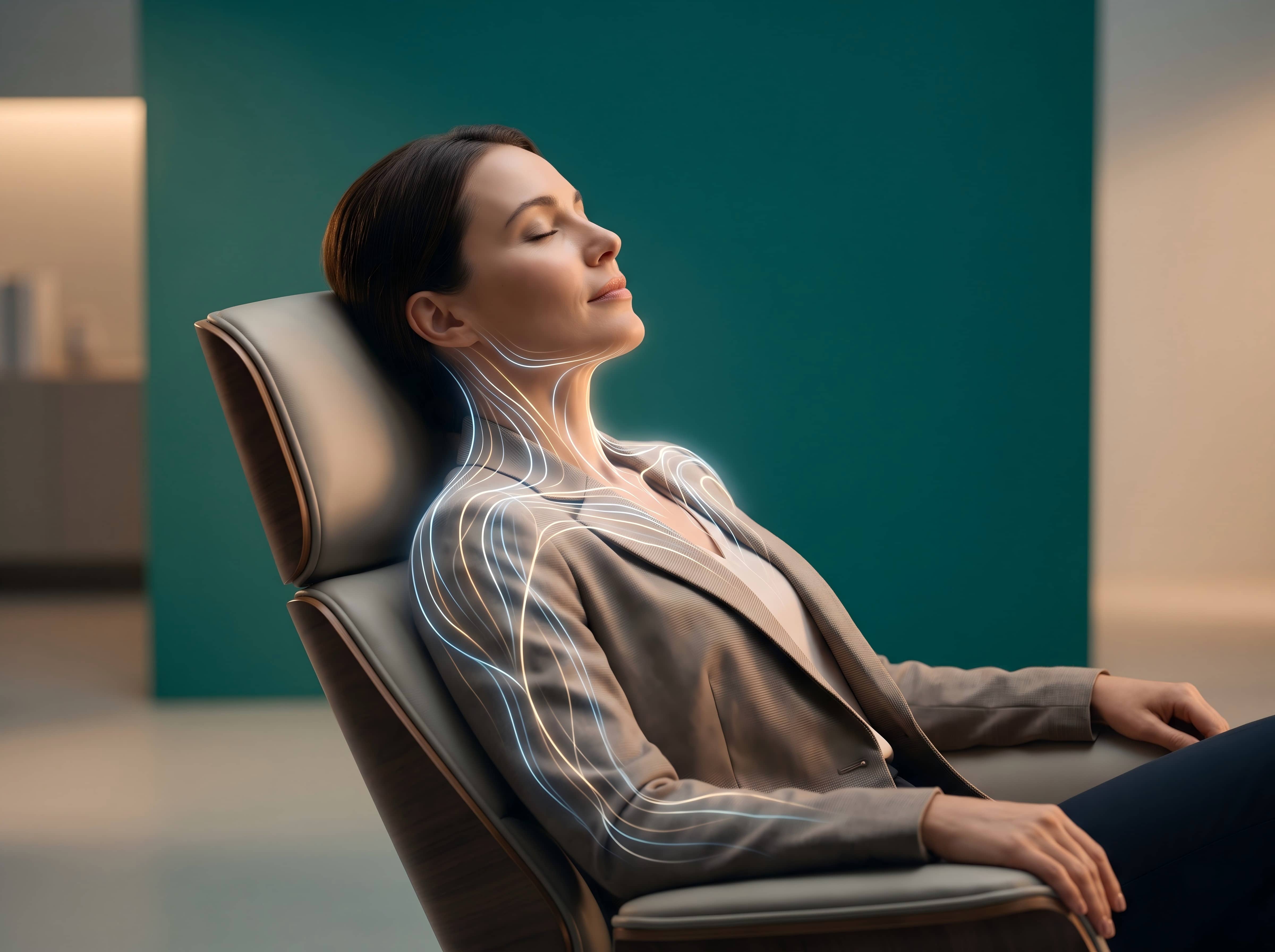
Massage stimulates the vagus nerve, immediately down-regulating the sympathetic nervous system and activating the parasympathetic (“rest and digest”) system. This lowers your heart rate, reduces blood pressure, and promotes deep relaxation.
-
Hormonal Rebalancing
Studies show that regular massage can decrease cortisol (the stress hormone) levels by up to 30%, while simultaneously boosting serotonin and dopamine—neurotransmitters responsible for mood stabilization and happiness.
-
Enhanced Circulation and Vasodilation
The physical pressure of massage acts like a pump, moving oxygen-rich blood into congested areas and pushing metabolic waste out. This accelerated circulation speeds up muscle recovery and reduces inflammation.
-
Pain Reduction and Myofascial Release
By applying sustained pressure to trigger points, massage breaks up fascial adhesions, relaxes contracted muscle fibers, and signals the brain to reduce localized pain perception.
How to Improve Your Daily Recovery with SNAILAX
The most significant benefits of massage don't come from a single, isolated session—they compound with regular, consistent practice. SNAILAX is built on the philosophy that clinical-grade recovery should be accessible in the comfort of your home, so you can manage tension exactly when you need it.
SNAILAX Shiatsu Massage Cushions
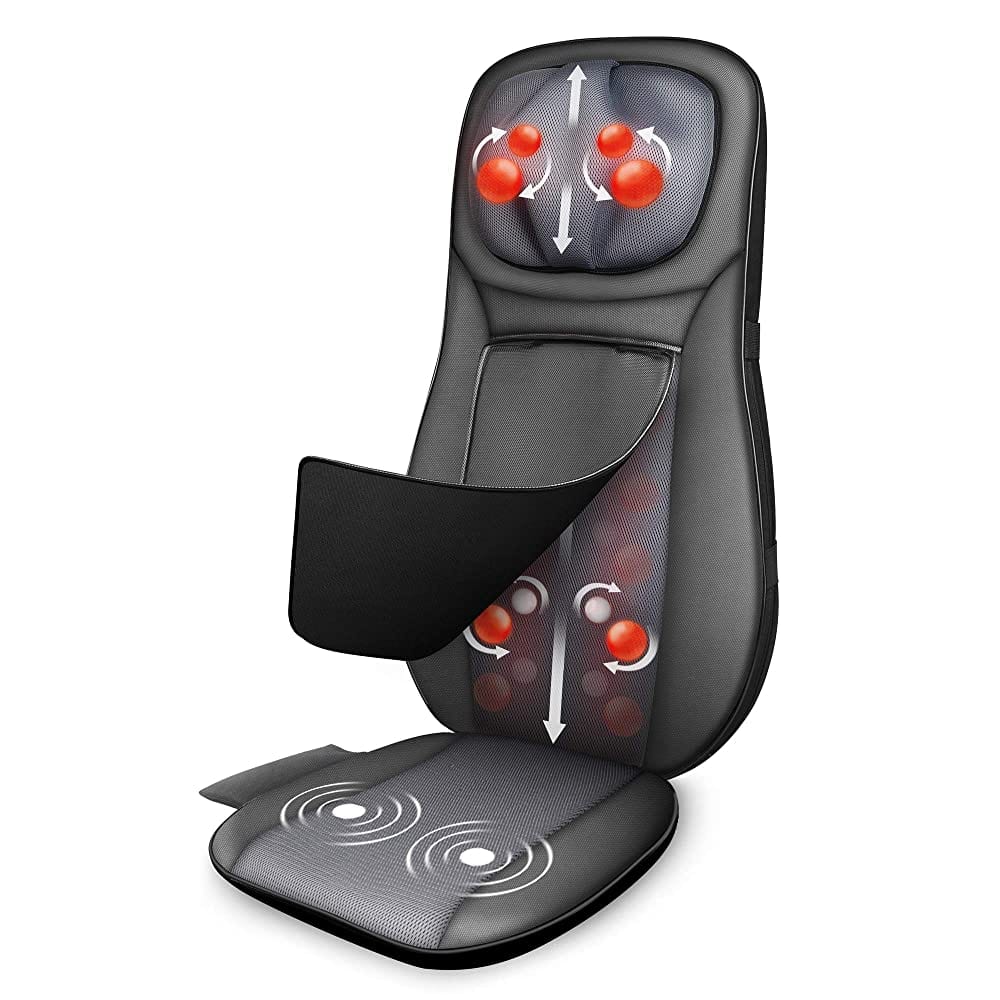
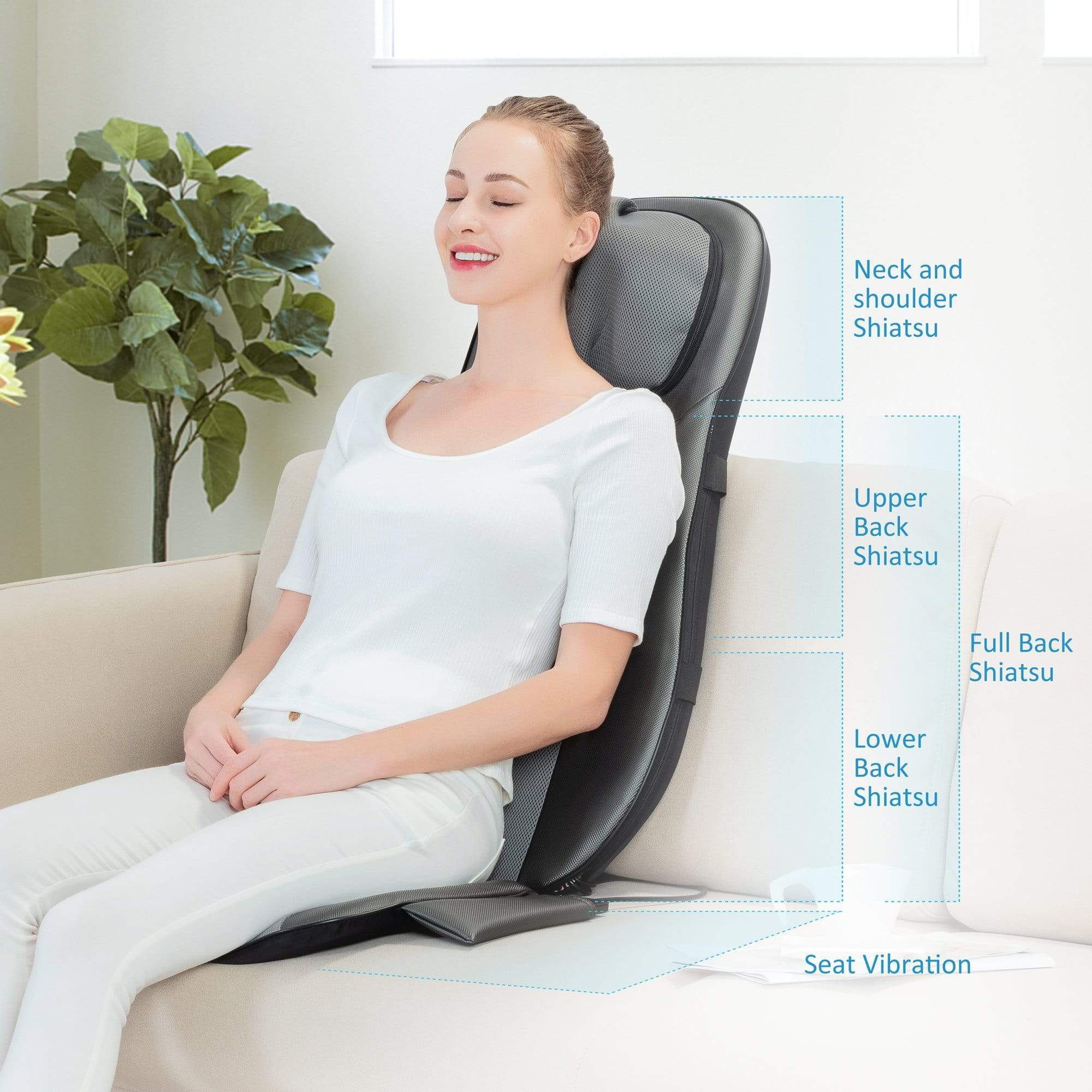
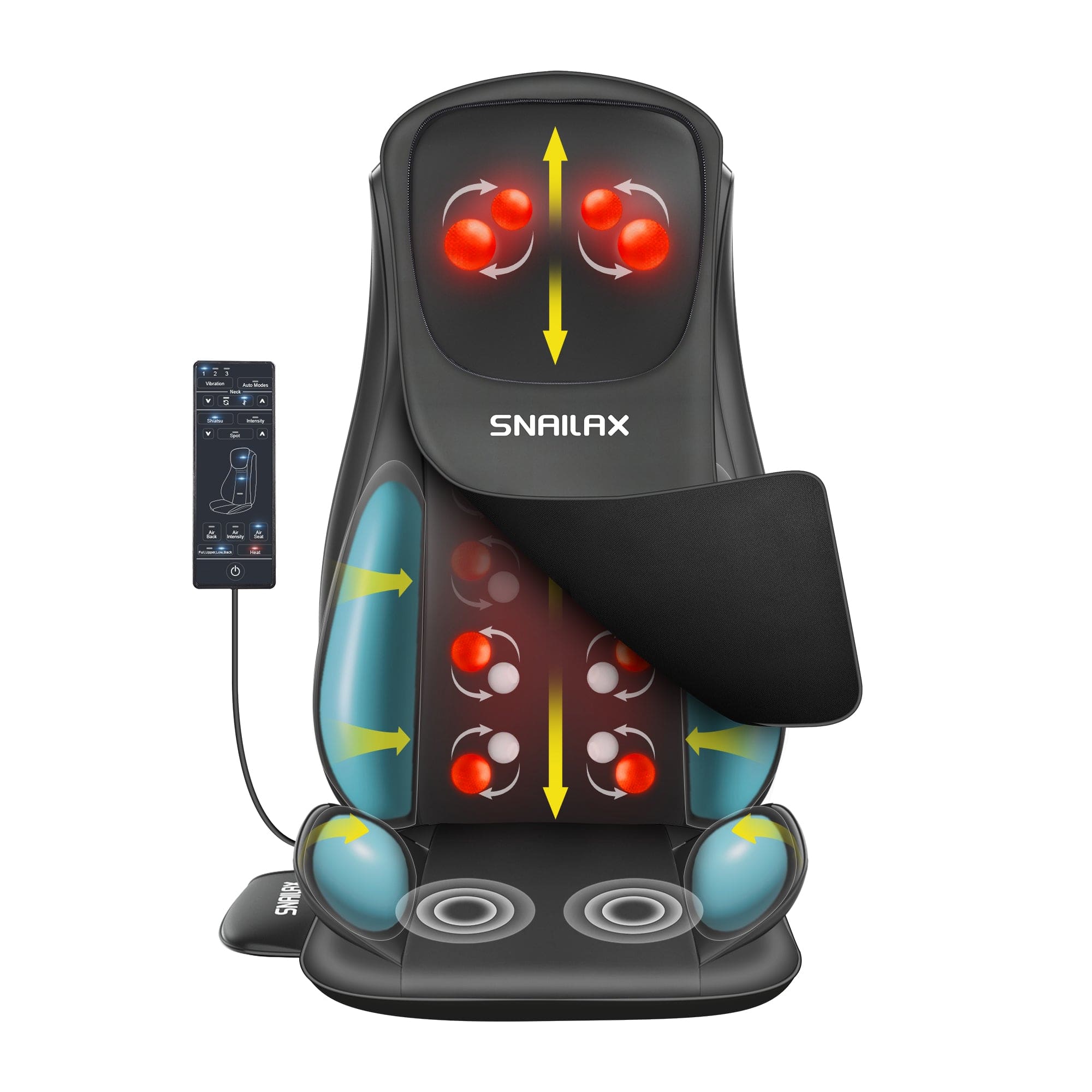
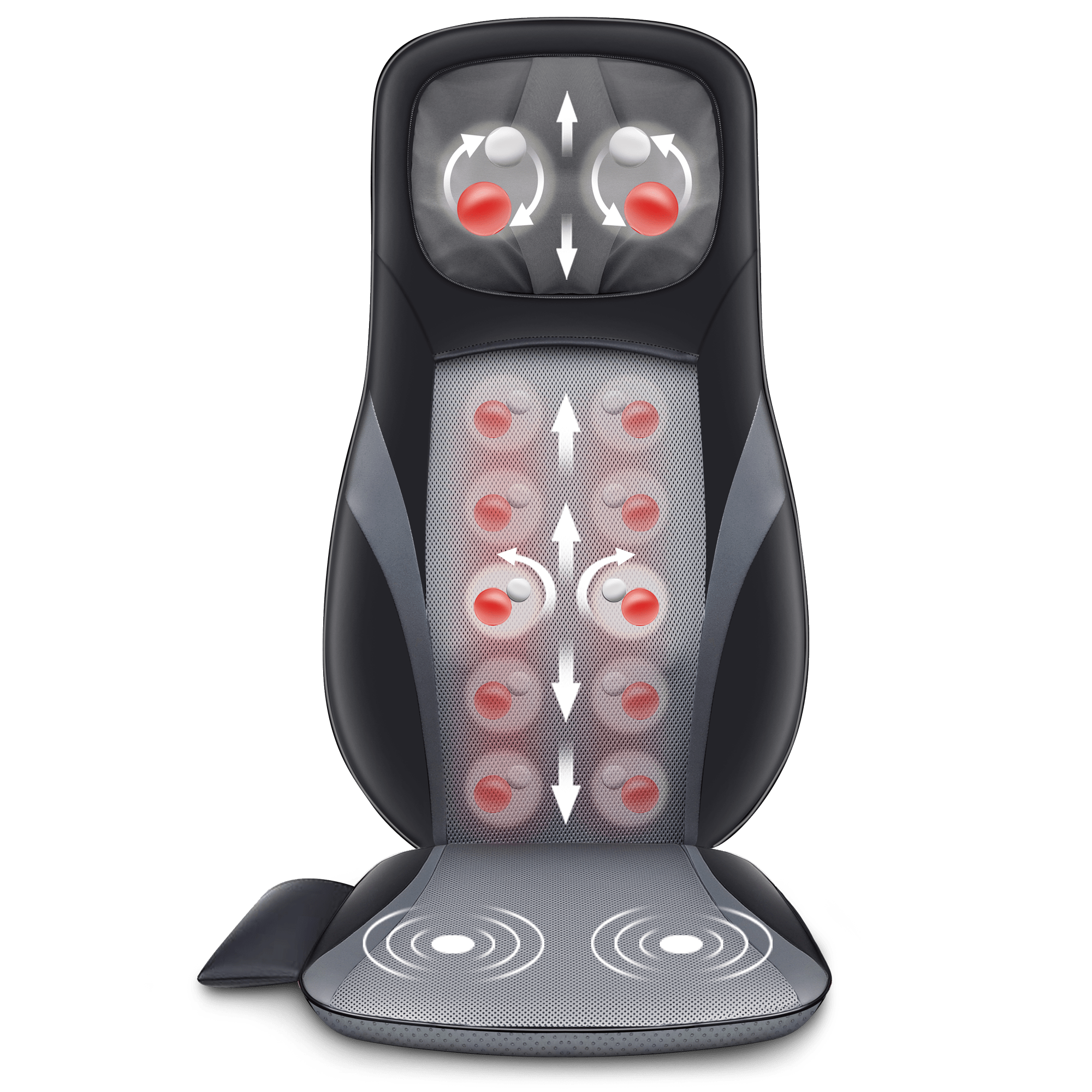
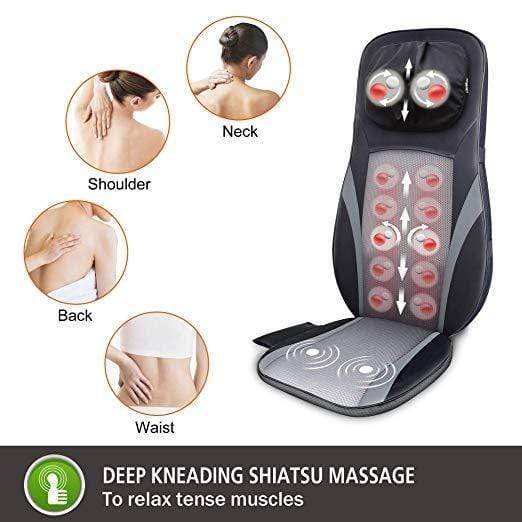
Most back pain begins with sustained, seated compression. Our Shiatsu massage cushions are designed to combat the daily toll of office chairs and long commutes. With 3D deep-kneading nodes that mimic a professional therapist's hands, these cushions glide along the spine to break up lumbar and thoracic tension. When paired with soothing heat therapy, muscle tissue becomes more pliable, allowing the Shiatsu nodes to release deep fascial adhesions and restore blood flow to a tired back.
SNAILAX Neck and Shoulder Massagers
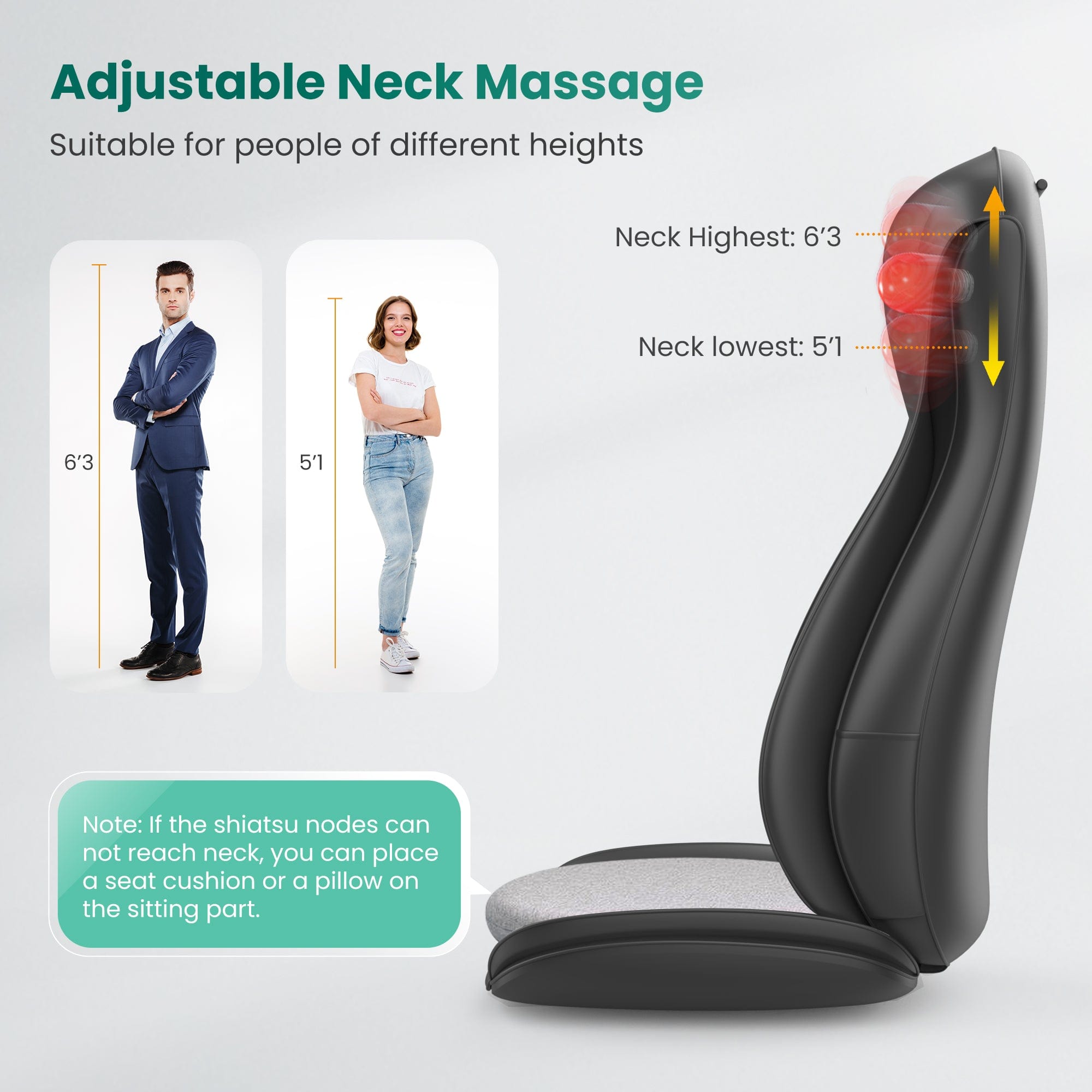
"Tech neck" is an epidemic caused by staring down at screens, forcing the cervical spine to support up to 50 extra pounds of pressure. SNAILAX neck and shoulder massagers target the trapezius and suboccipital muscles—the primary culprits behind tension headaches. The ergonomic U-shape design lets you control the exact intensity of the deep-tissue kneading, melting away the day's structural stress and helping the body transition smoothly into a relaxed evening state.
SNAILAX Heating Pads & Wraps
Heat is one of the oldest and most effective methods for pain management. By dilating blood vessels (vasodilation), SNAILAX heating wraps deliver a rush of oxygen and nutrients to stiff joints and aching muscles. Whether draped over the shoulders or wrapped around the lower back, targeted heat therapy rapidly accelerates the body’s natural healing process and signals to the nervous system that it is time to wind down.
Make Recovery a Routine
Healing your body shouldn't add more stress to your schedule. When physical tension eases, the mind finds it easier to settle. And when the mind settles, overall well-being tends to follow.
Discover SNAILAX’s complete ecosystem of home wellness products designed to help you unwind, recover, and build a healthier, pain-free routine.
Explore SNAILAX Collections